The influence of psychology on gambling behavior in casinos
The influence of psychology on gambling behavior in casinos
The Role of Cognitive Biases
Cognitive biases play a significant role in how individuals engage with gambling activities in casinos. These biases, such as the illusion of control, can lead players to overestimate their ability to influence outcomes. For instance, many gamblers believe that they can predict the result of a game based on their past experiences, which often results in increased betting and heightened risk-taking behavior. To improve your understanding of these dynamics, you can find more details here about how to navigate compulsive tendencies effectively.
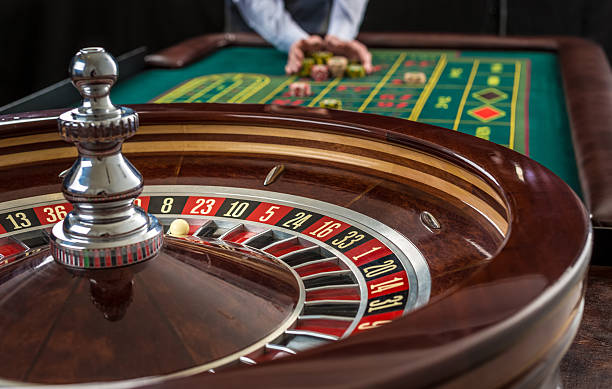
Furthermore, the gambler’s fallacy—a belief that previous outcomes can affect future results—fuels the cycle of betting despite potential losses. Such cognitive distortions can create a compelling feedback loop, making it challenging for individuals to recognize when they should stop gambling, often leading to problem gambling behaviors.
The Impact of Environment on Decision-Making
The environment of a casino is meticulously designed to enhance the gambling experience and influence behavior. Bright lights, enticing sounds, and the layout of games are all tailored to keep players engaged. This sensory overload can create a sense of euphoria, which may cloud judgment and lead to impulsive decisions, turning what should be a fun activity into a perilous endeavor.
Additionally, the layout encourages players to stay longer, often without considering the time spent or money lost. This immersive experience reinforces gambling behaviors, as players often lose track of their expenditures in the stimulating atmosphere of the casino floor.
Social Influence and Peer Pressure
Social dynamics also play a crucial role in gambling behavior. The presence of peers can influence individual choices, leading to increased betting or more risk-averse actions depending on the group’s attitude towards gambling. In casino settings, players may feel compelled to conform to group behavior, whether it’s high-stakes betting or remaining conservative.
This social aspect can also facilitate the normalization of gambling, making it seem like a socially accepted or even expected activity. As players observe others enjoying wins or engaging in high-risk behaviors, they might feel pressured to participate, often neglecting their own financial limits.
Emotional Factors in Gambling Behavior
Emotions significantly influence gambling behavior, often acting as both a motivator and a deterrent. Many players turn to gambling as an escape from stress or negative emotions, seeking a temporary high that can result from winning. However, the thrill of winning is often short-lived, leading to a cycle of chasing losses and emotional distress.
Moreover, the emotional rollercoaster associated with gambling—ranging from elation during wins to frustration during losses—can foster addictive behaviors. Players may find themselves returning to the casino to recapture the highs they previously experienced, despite the risk of incurring more significant losses.
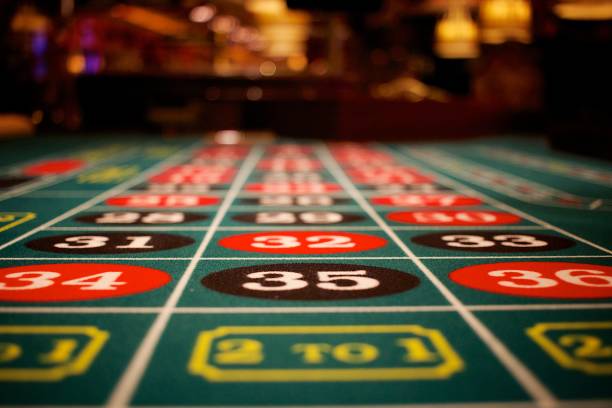
Understanding Responsible Gambling
Awareness of psychological factors affecting gambling behavior is essential for promoting responsible gambling practices. Casinos and online platforms are increasingly implementing measures to help players understand their behaviors and set limits on their gambling activities. Providing resources and education about cognitive biases, emotional influences, and social dynamics can empower individuals to make informed decisions.
By fostering a responsible gambling environment, both players and casinos can work together to minimize the negative impacts of gambling. This approach not only enhances the overall experience but also supports individuals in developing healthier relationships with gambling.